WASHINGTON (Reuters) – Den poté, co Elon Musk eskaloval svůj spor s Donaldem Trumpem a oznámil založení nové americké politické strany, ministr financí prezidenta USA řekl, že Musk by se měl věnovat řízení svých společností.
Investiční společnost Azoria Partners, která plánovala spustit fond spojený s Muskovou automobilkou Tesla (NASDAQ:TSLA), oznámila, že tento projekt odkládá, protože založení strany představuje „konflikt s jeho plnoúvazkovými povinnostmi generálního ředitele“.
Musk v sobotu oznámil, že zakládá „Americkou stranu“ v reakci na Trumpův návrh zákona o snížení daní a výdajích, který podle Muska přivede zemi k bankrotu.
V nedělním rozhovoru pro CNN řekl ministr financí Scott Bessent, že představenstva Muskových společností – Tesly a raketové firmy SpaceX – by pravděpodobně upřednostnila, aby se do politiky neangažoval.
„Domnívám se, že včerejší oznámení se těmto představenstvům nelíbilo a budou ho povzbuzovat, aby se soustředil na své podnikatelské aktivity, nikoli na politické,“ uvedl Bessent.
Musk, který během prvních měsíců Trumpova prezidentství působil jako hlavní poradce Bílého domu pro snižování velikosti vlády, uvedl, že jeho nová strana se v příštích volbách v polovině volebního období bude snažit sesadit republikány v Kongresu, kteří podpořili „velký, krásný zákon“.
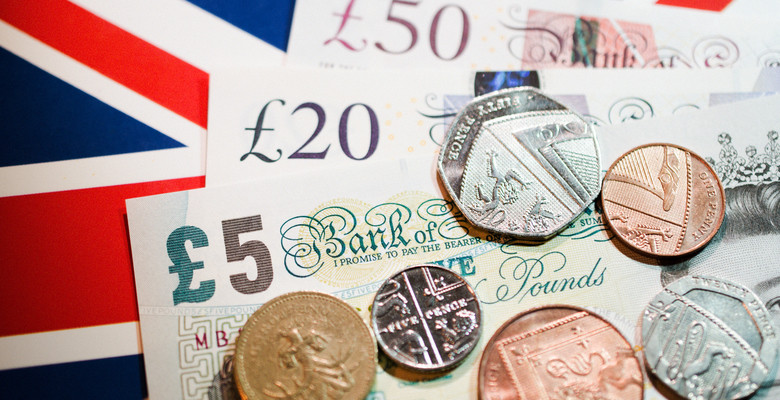
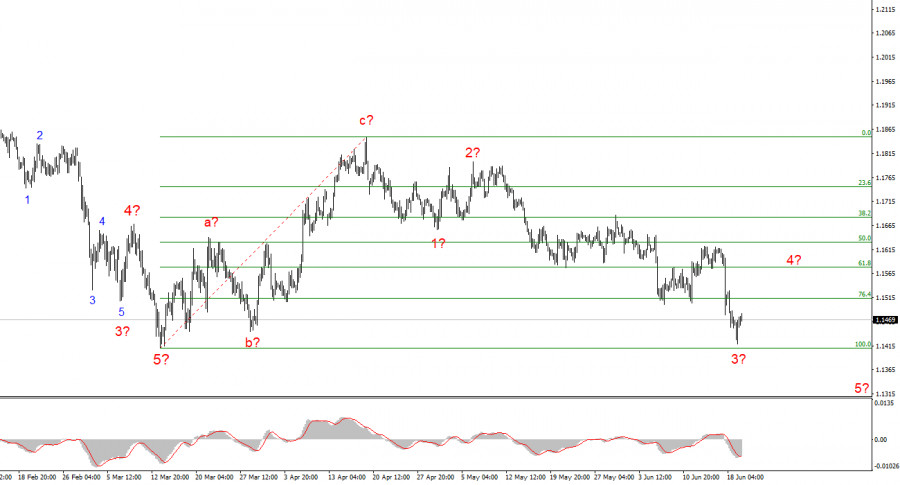
The British currency has declined somewhat more than I expected; however, the wave structure remains entirely adequate. Currently, a downward wave set is being formed, and logically, the euro and pound should complete their downward segments of the trend simultaneously. Most likely, that will be the case—the only question is when.
In my view, this could happen very soon, as both the euro and the pound are near the minimums of wave A on a larger scale. Thus, waves C could complete at any moment, and the downward segments of the trend, which began at the end of January, clearly appear to be corrective. Consequently, waves A and C may be approximately equal in size. This assumption allows the conclusion that the downward momentum is nearly complete.
Last week, the Federal Reserve unexpectedly provided support to the dollar. Although the results of the Fed meeting were not as "hawkish," demand for the U.S. currency increased significantly. Therefore, first, I doubt that the Fed is solely responsible for this, and second, I believe the market was also factoring in other elements—such as the notorious geopolitical situation.
On Friday, it became known that the agreement between Iran and the U.S. had been signed, yet negotiations on the nuclear deal have not yet begun. Moreover, while Tehran and Washington have reluctantly agreed, Lebanon and Israel have not. Therefore, Israel is once again attacking Lebanon, and Iran may perceive this as a violation of the deal signed this week with Donald Trump. Essentially, it can already be said that the negotiations have faltered, and the agreement's conditions have been breached in just a few days. As a result, demand for the U.S. currency may have increased amid heightened market concerns about a resumption of conflict in the Middle East.
Next week, only the reports on business activity are scheduled for release in the UK, and therefore, the market's attention will naturally shift back to geopolitics. If the conflict between Iran and the U.S. resumes, we will see a new rise in energy prices, a new increase in the dollar, and any hopes of slowing inflation will be merely dreams—better to forget them entirely. Consequently, the Fed's stance may become even more hawkish, and the dollar will continue to strengthen. Ultimately, the conflict in the Middle East will support the U.S. currency, either directly or indirectly.
Based on the analysis of EUR/USD, I conclude that the instrument remains within an upward segment of the trend (bottom chart), while in the shorter term, it is experiencing a downward segment of the trend that may be nearing completion. In my view, now is a decent time to consider forming long positions, but the instrument may drop below the 14 figure within wave C. If this assumption is correct, it would be better to wait a bit longer. I believe the market will also take into account that the European Central Bank is tightening and the possibility that the geopolitical conflict between Iran and the U.S. may conclude soon.
The wave structure for GBP/USD has become clearer. Currently, the instrument has formed three waves down, while EUR/USD has formed five. Consequently, the British pound may limit itself to forming a corrective structure, and both currency pairs may begin constructing upward trend segments. At this moment, this is just an assumption, but it is a probable one. If it is correct, the instrument will start rising with targets around the 35 figure and higher. Market participants currently have a good opportunity to buy.
SZYBKIE LINKI
ForexMart is authorized and regulated in various jurisdictions.
(Reg No.23071, IBC 2015) with a registered office at First Floor, SVG Teachers Co-operative Credit Union Limited Uptown Building, Corner of James and Middle Street, Kingstown, Saint Vincent and the Grenadines
Restricted Regions: the United States of America, North Korea, Sudan, Syria and some other regions.









 Skontaktuj się z ForexMart