Australská centrální banka v úterý snížila svou hlavní úrokovou sazbu o 25 bazických bodů na dvouleté minimum 3,85 % s odkazem na temnější globální výhled a ochlazující se inflaci doma, i když zůstala opatrná ohledně dalšího uvolňování.
Australský dolar klesl o 0,4 % na 0,6430 USD a futures na tříleté dluhopisy vzrostly o 5 ticks na 96,40 USD. Swapy naznačují celkové uvolnění o 57 bazických bodů do konce roku.
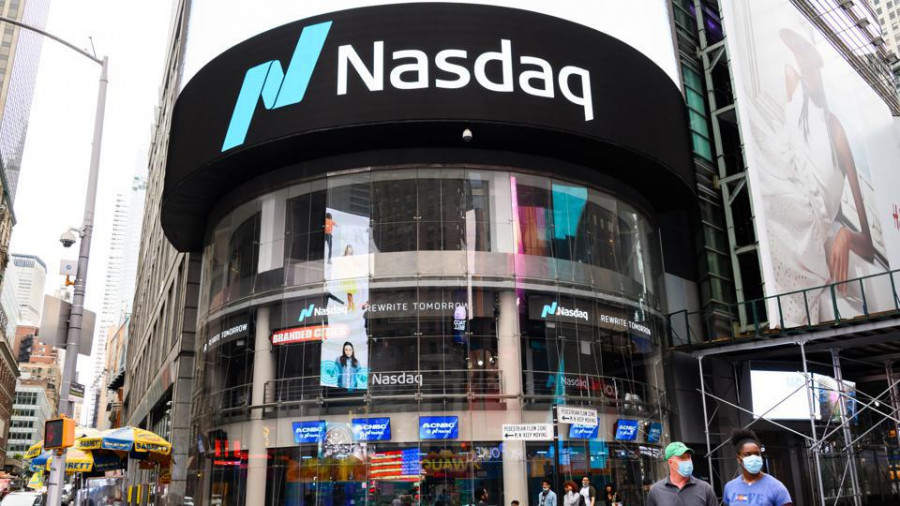
Yesterday, stock indices closed with gains. The S&P 500 rose by 0.54%, while the Nasdaq 100 increased by 0.65%. The Dow Jones Industrial Average jumped by 0.61%.
However, today, futures for American stock indices have fallen. Cryptocurrencies also crashed, indicating a risk-off sentiment ahead of several important economic data releases, even though expectations for a Federal Reserve interest rate cut in December remain quite high.
Futures contracts on the S&P 500 fell by 0.8%, while Nasdaq 100 futures dropped by 1%. The yen strengthened after Bank of Japan Governor Kazuo Ueda gave the clearest hint yet of a potential interest rate hike this month. Ahead of his speech, the yield on two-year bonds rose to its highest level since 2008. Bitcoin lost nearly 6%, dropping below $86,000, which added momentum to a broad sell-off.
The upcoming week is expected to provide an important overview of the US economy's dynamics. With close attention to inflation and consumer demand, the data is likely to shape expectations regarding whether the Fed will continue its rate-cutting cycle. Traders are also preparing for potential leadership changes at the central bank, as White House economic advisor Kevin Hassett may take over as the new Fed chair.
The question of a leadership change at the Fed adds an element of uncertainty. The appointment of Kevin Hassett, known for his more liberal economic views, could lead to a change in the central bank's strategy and, consequently, a reassessment of risks in the financial markets. Traders will weigh the potential advantages of a more flexible monetary policy against the risks of accelerating inflation. Overall, the week promises to be tense and eventful, with significant implications for the trajectory of the US economy and investor sentiment.
According to ibonacci Asset Management Global, investors are hesitant to increase risk ahead of the upcoming data releases and macroeconomic events.
The MSCI All Country World Index fell by 0.1% in November after rising for seven consecutive months. The increase was minimal, as optimism regarding the prospects of AI-related stocks waned amid growing concerns about overvaluation and excessive spending plans. According to historical data, the global index has averaged a 0.5% gain in December over the past 10 years.
While the Fed enters its "quiet period" ahead of the meeting, Chair Jerome Powell and Governor Michelle Bowman are scheduled to give speeches this week, although they are prohibited from commenting on economic outlooks or policy.

Other economic data to be released next week includes ADP's private sector employment figures for November, as well as manufacturing and service sector surveys conducted by the Institute for Supply Management. The Fed is also set to publish industrial production data for September.
Regarding the technical picture of the S&P 500, the main task for buyers today will be to overcome the nearest resistance level of $6,801. This would signal growth and open the possibility for a rally to a new level of $6,819. Another priority for bulls will be to maintain control over $6,837, which would strengthen buyer positions. In the event of a downturn amid reduced risk appetite, buyers must assert themselves around $6,784. A break below this level would quickly push the trading instrument back to $6,769 and open the way to $6,756.
ForexMart is authorized and regulated in various jurisdictions.
(Reg No.23071, IBC 2015) with a registered office at First Floor, SVG Teachers Co-operative Credit Union Limited Uptown Building, Corner of James and Middle Street, Kingstown, Saint Vincent and the Grenadines
Restricted Regions: the United States of America, North Korea, Sudan, Syria and some other regions.










 コンタクトする