Trumpova cla míří zpět: USA stupňují tlak na obchodní partnery. A administrativa Donalda Trumpa znovu rozdmýchává obchodní napětí, když se blíží konec 90denního odkladu cel a USA varují téměř 100 zemí, že jim v srpnu hrozí návrat k vyšším sazbám. Ministr financí Scott Bessent oznámil, že pokud nedojde k novým dohodám, budou od 1. srpna platit tarify ve výši, jaké platily 2. dubna – tedy před pozastavením.
Tato hrozba přichází poté, co Trump 9. dubna vyhlásil úplné tříměsíční pozastavení cel, přičemž však trval na tom, že historicky vysoké tarify zůstanou jako tlakový nástroj. Nyní Spojené státy připravují dopisy pro přibližně 100 států, z nichž mnohé nemají s USA silné obchodní vazby a již čelí základní sazbě 10 %. Tyto země tak dostanou varování, že pokud se nedohodnou do 9. července, budou jejich celní sazby opět navýšeny.
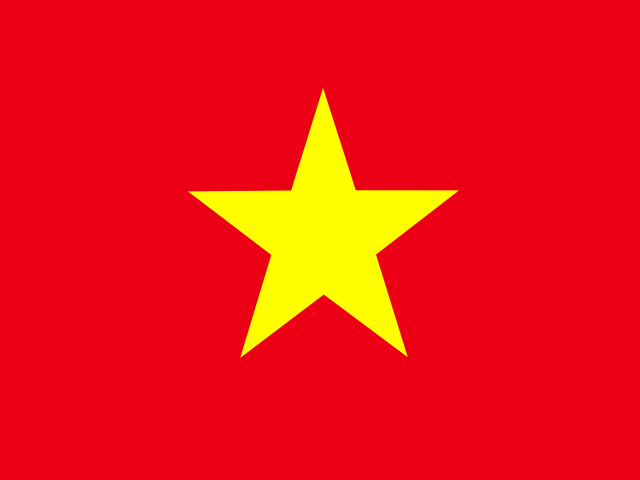
Doposud Trump oficiálně oznámil tři dohody. Spojené království zachovalo 10% clo, zatímco Čína dočasně snížila své vlastní cla z 145 % na 30 % u většiny zboží. S Vietnamem byla uzavřena dohoda o 20% sazbě. Ačkoli Trump tvrdil, že uzavřel až 200 obchodních dohod, žádné další konkrétní příklady nezveřejnil.
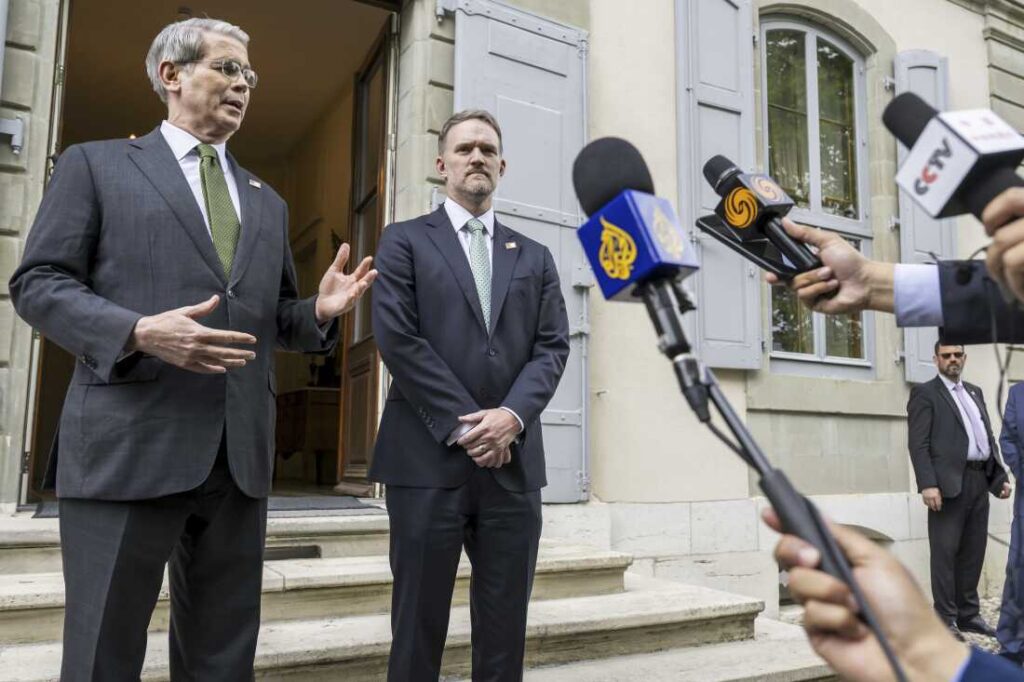
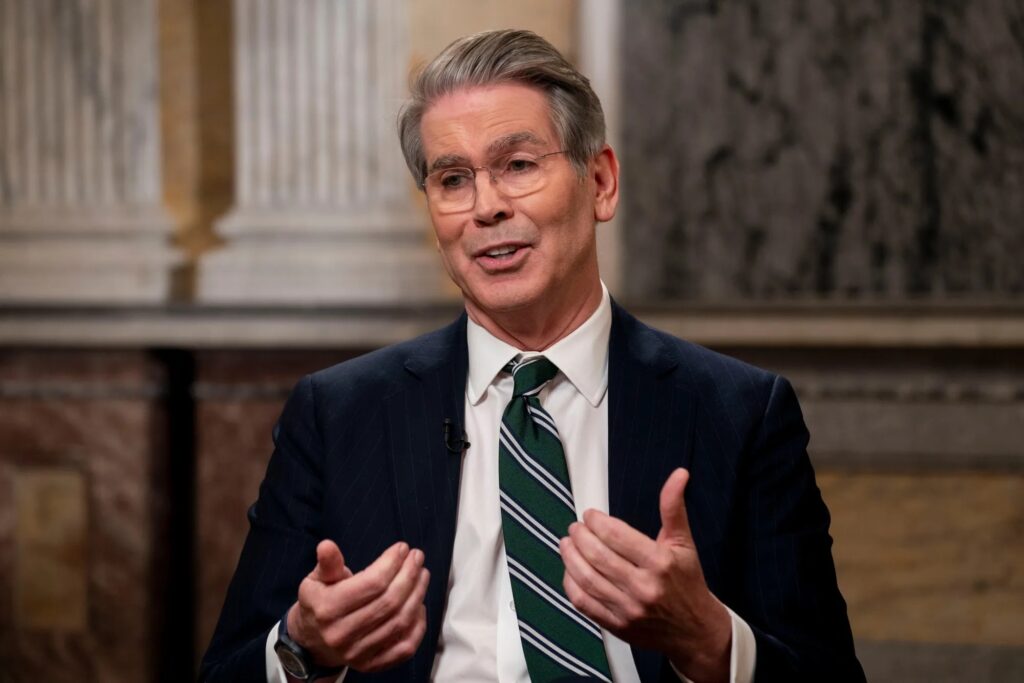
Scott Bessent označil připravované dopisy jako nástroj „maximálního tlaku“. Podle jeho slov se nejedná o nový termín, ale spíše o důrazný signál: „Toto je termín, kdy se to stane. Pokud chcete jednat, jednejte. Pokud ne, vrátíte se ke starým sazbám.“ Evropská unie je podle něj příkladem partnera, který se k jednacímu stolu vrátil až po hrozbě 50% cla.
Trumpovi představitelé čelí kritice, že cla mohou zvýšit náklady pro americké spotřebitele. Společnosti jako Walmart už avizovaly zvýšení cen navzdory prezidentovým tvrzením. Bessent však mluví o „syndromu celní paniky“ a odmítá jakoukoli spojitost mezi cly a růstem inflace. V květnu sice index cen výrobců vzrostl o 0,1 %, což znamená roční inflaci 2,6 %, ale dopad cel zůstává podle oficiálních dat „nevýrazný“.
Naopak bývalý ministr financí Larry Summers upozorňuje, že příjmy z cel sice přicházejí, ale za cenu vyšší inflace a nižší konkurenceschopnosti. Summers kritizoval Bessenta za zlehčování dopadů celní politiky a varoval před dlouhodobými následky.
Stephen Miran, předseda Rady ekonomických poradců, argumentoval, že neexistují důkazy, že by cla uvalená na Čínu během prvního Trumpova období vážně poškodila ekonomiku. Dodal, že letošní kroky jsou pokračováním dřívější strategie. „Příjmy z cel se valí. Inflace je nízká. Pracovní místa přibývají.“ Z pohledu administrativy tedy cla fungují – politicky i ekonomicky.
Bessent také uvedl, že některé země Spojené státy vůbec nekontaktovaly, přestože jim hrozí zvýšené clo. Tato pasivita může být vnímána jako slabá vyjednávací pozice, zejména v kontextu amerického obchodního deficitu. Proto vláda využívá přístup „jednej, nebo přijmi důsledky“.
Očekává se, že v průběhu týdne bude oznámeno „několik velkých dohod“, ale konkrétní státy zatím zůstávají nejmenované. Pokud se Trumpově administrativě podaří získat výhodnější podmínky, může si připsat další diplomatický bod. Pokud ne, hrozí eskalace obchodní války, která by mohla zatížit i globální ekonomiku.
Rozšíření celní politiky může mít dalekosáhlé důsledky i mimo sféru dvoustranného obchodu. Mnoho menších států, které s USA udržují spíše symbolické obchodní vztahy, nyní čelí tlaku na rychlé uzavření dohod, jinak jim hrozí návrat k základním celním sazbám. Přestože tyto státy tvoří malý podíl na americkém dovozu, mohou se stát obětí širší strategie Washingtonu, jejímž cílem je vytvořit precedent – donutit co nejvíce zemí k ústupkům a akceptaci nových obchodních podmínek.
Vnitropoliticky Trumpova administrativa sází na silnou rétoriku a jednoduchá sdělení. Vyvolávání obrazu „spravedlivých dohod“ a boje proti obchodním deficitům může být účinným nástrojem při mobilizaci voličské základny. Cla a jejich vyjednávání se tak stávají nejen ekonomickým, ale především politickým nástrojem, který slouží k demonstraci síly a nezávislosti americké zahraniční politiky.
Z mezinárodního pohledu však přístup USA naráží na odpor. I když někteří partneři na Trumpův tlak reagují ústupky, jiní se obracejí ke konkurenčním ekonomikám, jako je Čína nebo Evropská unie. Hrozí tak riziko, že nadměrná agresivita ve vyjednávání povede k dlouhodobému oslabení důvěry v USA jako spolehlivého partnera. Země, které byly donedávna strategickými spojenci, mohou začít hledat alternativy.
V tomto kontextu bude klíčové sledovat nejen oznámení o uzavřených dohodách, ale i to, jak se promění obchodní toky a vztahy v následujících měsících. Pokud Trumpova administrativa skutečně získá lepší podmínky bez výrazných vedlejších škod, může to posílit její pozici doma i v zahraničí. V opačném případě ale hrozí fragmentace globálního obchodního řádu, která by dopadla nejen na zahraniční partnery, ale i na americké spotřebitele a firmy.

In the upcoming week, the tone for trading the EUR/USD pair will largely be set by the geopolitical agenda. The focus of traders will be on the negotiations between the U.S. and Iran, which are set to begin on Sunday in Switzerland. The direction of the price movement will largely depend on both the commencement of the dialogue and the first statements from its participants.
If the negotiation process is indeed initiated, interest in risk assets will rise in the market, which will support the European currency. On the contrary, if discussions falter, we will once again witness a surge in risk-averse sentiment, with the U.S. dollar being the primary beneficiary.
In this context, macroeconomic data will play a secondary, supportive role, either amplifying or weakening the influence of the primary fundamental factor.
The situation here is complex, tangled, and unpredictable. The flow of information changes at a kaleidoscopic pace, which means that the timeframe for events is literally limited to a few days, and sometimes even just a few hours.
As is known, the U.S. and Iran agreed last week to a 60-day complete ceasefire during the negotiations; however, the parties were unable to initiate face-to-face dialogue due to the escalation in southern Lebanon. Additionally, on Saturday, the Islamic Revolutionary Guard Corps declared the Strait of Hormuz closed as a "response to Israeli strikes in Lebanon."
Nevertheless, the negotiation track remains "alive." On Sunday, U.S. Vice President Vance arrived in Switzerland for talks with Iranian representatives. According to preliminary information, consultations between Washington and Tehran are set to begin on Sunday evening and may continue for several days, depending on their progress and the parties' willingness to compromise. Vance stated that his priorities during the negotiations are to make progress in the nuclear sphere and achieve a ceasefire in Lebanon. It is worth noting that Iran previously demanded that the U.S. influence Israel (in the context of its confrontation with Hezbollah and striking on Lebanese territory), threatening to withdraw from the negotiations if this did not happen. The complexity of the situation arises from the fact that Israel is not formally a party to these agreements, leaving it free to act.
Whether the parties will be able to untangle this Gordian knot and reach a compromise is still an open question. Meanwhile, the answer to this question will largely determine the future trajectory of the EUR/USD pair. Any statements from participants in the negotiation process or news developments from the Middle East can instantly shift market sentiment and provoke a sharp reevaluation of current expectations. Under such conditions, it is the geopolitical factor that will dictate the dynamics of risk demand and safe-haven assets, thereby determining capital reallocation between the dollar and the euro.
As mentioned earlier, macroeconomic reports will play a secondary role; however, they can act as a kind of "amplifier" for market movements, providing additional momentum and confirming or softening the influence of the primary informational driver.
On Tuesday, June 23, the PMI indices will be published. According to preliminary forecasts, European indicators are expected to show a slight but positive increase. Specifically, the manufacturing PMI for Germany is projected to rise from 50.1 to 50.2. It is important for EUR/USD buyers that this indicator remains in the expansion zone, i.e., above the 50 mark. The services PMI for Germany is expected to increase in June to 49 points, up from 48.1 in May. A similar trend is anticipated for the overall European PMI indices: the manufacturing sector is expected to rise to 51.8 (from 51.6), while the services sector is projected to increase to 48.6 (from 47.7).
The following day, June 24, the IFO indices for Germany will be published for June. Positive dynamics are also anticipated here. The business climate indicator is expected to increase to 85.6 (up from 84.9 in May), and the economic expectations index is expected to rise to 85.0, up from 83.8.
More significant growth in the PMI and IFO indices could provide additional support for the euro—but only if the negotiations between the U.S. and Iran progress positively.
The most important macroeconomic reports for the dollar will be released on Thursday, June 25.
First, we will learn the final GDP estimate for the U.S. for the first quarter. Recall that the preliminary estimates provided an unpleasant surprise (for dollar bulls): after the first estimate of 2.0%, the U.S. economy was revised down to 1.6% year-on-year in the second estimate. Although the figure still reflects an acceleration from the weak 0.5% in the fourth quarter of last year, the overall dynamics fell short of expectations due to a decline in corporate inventories and some cooling in consumer demand. Most analysts believe the final estimate will remain at the second estimate of 1.6%. If, contrary to forecasts, the final estimate is revised, the report will have a significant impact on the dollar, and the effect will depend on the direction of that revision.
The second important release on Thursday will be the core PCE index. This is a key inflation indicator in the U.S. This index has shown an upward trend for the second consecutive month, rising to 3.3% year-on-year in April. Although the month-over-month increase has slowed to 0.2%, the annual index still significantly exceeds the Federal Reserve's 2.0% target, forcing the central bank to maintain a sufficiently hawkish stance (according to the updated dot plot, the central bank allows for rate hikes in the second half of the year). Furthermore, following the June meeting, the Fed raised its PCE growth forecast to 3.6%, up from the 2.7% expected in March. It is predicted that the core PCE index will remain at the April level (3.3%) in May. Any movement above this mark will confirm the stability of the inflationary trend and, accordingly, support the dollar.
However, as mentioned above, the trading tone for the EUR/USD pair will primarily be set by the geopolitical agenda. If further events unfold in line with a de-escalation scenario, the EUR/USD pair may return to the 15 figure and consolidate above the resistance level of 1.1580 (the middle line of the Bollinger Bands, coinciding with the Kijun-sen line on the D1). Otherwise, the pair may return to the bottom of the 14 figure and attempt to break the support level of 1.1410 (the lower line of the Bollinger Bands on the four-hour chart).
ForexMart is authorized and regulated in various jurisdictions.
(Reg No.23071, IBC 2015) with a registered office at First Floor, SVG Teachers Co-operative Credit Union Limited Uptown Building, Corner of James and Middle Street, Kingstown, Saint Vincent and the Grenadines
Restricted Regions: the United States of America, North Korea, Sudan, Syria and some other regions.










 コンタクトする