Společnost Boeing se v posledních dnech ocitla pod tlakem kvůli odmítnutí nové kolektivní smlouvy ze strany zaměstnanců obranné divize.
Přes více než 3 200 členů odborového svazu IAM District 837 pracujících ve výrobních závodech v St. Louis, St. Charles v Missouri a Mascoutah v Illinois hlasovalo proti nové nabídce smlouvy, kterou společnost předložila. Tím se výrazně zvýšila pravděpodobnost zahájení stávky, a to již v horizontu několika dní.
Podle oficiální tiskové zprávy Mezinárodní asociace strojníků a leteckých pracovníků vypršela platnost současné smlouvy v neděli 27. července ve 23:59 místního času. V souladu s obvyklým postupem nyní běží sedmidenní ochlazovací lhůta, během níž může ještě dojít ke změně postoje či dalším jednáním.
Zajímavostí však je, že zprávy o hrozící stávce neovlivnily akcie Boeingu (BA) negativně. Naopak, během pondělního ranního obchodování akcie Boeingu posílily o zhruba 0,7 % na 234,58 USD. Nárůst doprovodil i mírný růst indexů S&P 500 a Dow Jones Industrial Average, které vzrostly o 0,3 %, respektive 0,2 %.

IAM District 837 je jedním z odborových zastoupení, které má na Boeingu výrazný vliv. Zastupuje přibližně 3 200 pracovníků, zatímco celá obranná divize společnosti zaměstnává více než 18 000 lidí. V roce 2024 generovala obranná sekce tržby téměř 24 miliard dolarů, avšak čelila vážnému poklesu provozního zisku ve výši 5,4 miliardy dolarů. Významnou roli v tom sehrály ztrátové smlouvy s pevně stanovenou cenou, které negativně ovlivnily hospodaření.
Je důležité podotknout, že obranný segment není pro investory tak citlivý jako divize komerčního letectví. Možná stávka v obranné výrobě by pravděpodobně neovlivnila hodnotu společnosti tolik, jako tomu bylo například v září, kdy zhruba 33 000 zaměstnanců Boeingu ve státě Washington vstoupilo do stávky. Tehdejší přerušení práce trvalo více než sedm týdnů a výrazně zasáhlo produkci letadel řady 737 a 777.
Tehdejší dohoda byla dosažena až po třech kolech hlasování a čtyřech různých nabídkách. Výsledkem byl výrazný nárůst průměrné mzdy z 76 000 na přibližně 119 000 dolarů ročně. I když způsob výpočtu zohledňuje benefity a senioritu, jedná se o celkový nárůst o 57 % během čtyřletého období.
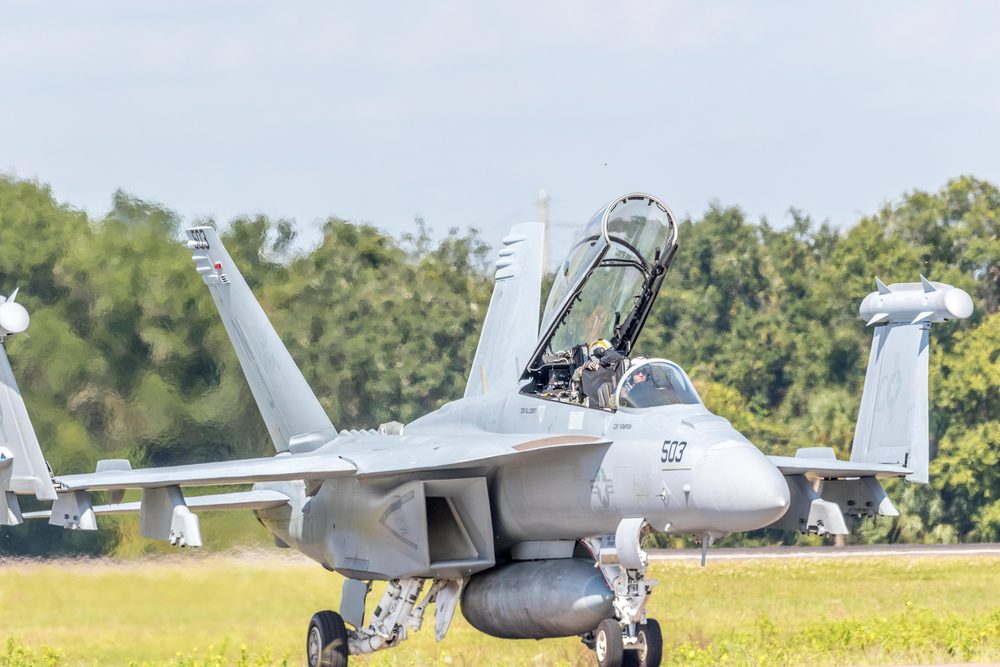
V případě aktuální nabídky pro zaměstnance vyrábějící mimo jiné stíhací letouny F-15 a F-18 Boeing navrhl 40% růst průměrné mzdy během trvání smlouvy. Průměrná roční mzda by se tak mohla posunout z 75 000 na 102 600 dolarů. Nabídka rovněž zahrnovala jednorázový bonus za ratifikaci smlouvy ve výši 5 000 dolarů.
Přes tyto podmínky se zaměstnanci rozhodli návrh odmítnout. Společnost na to zareagovala zveřejněním vyjádření, ve kterém uvedla, že je „zklamána zamítnutím nejštědřejší nabídky, kterou kdy předložila odborové organizaci IAM 837, a která dle jejího názoru reagovala na všechny zásadní priority pracovníků“. Boeing rovněž informoval, že aktivoval krizový plán pro případ stávky a aktuálně nejsou naplánována žádná další jednání.
To znamená, že v případě neúspěchu případných zákulisních jednání může dojít k přerušení výroby už za několik dní. Společnost tak čelí citlivé situaci, kdy musí balancovat mezi požadavky pracovníků a tlakem na hospodářské výsledky. Ve hře je mimo jiné reputace firmy jako zaměstnavatele a její schopnost zvládat vnitřní krizové scénáře.
Navzdory těmto napjatým okolnostem si akcie Boeingu letos zatím vedou poměrně dobře. Od začátku roku se jejich hodnota zvýšila o 32 % a aktuálně se pohybují těsně pod svým 52týdenním maximem. Investory povzbudily především pozitivní zprávy z oblasti výroby komerčních letadel, která je pro společnost i celý trh klíčová.
To zároveň vysvětluje, proč trh na aktuální stávkovou hrozbu nereaguje výrazným poklesem. Investoři zřejmě vyhodnocují, že případné narušení obranné produkce nebude mít zásadní vliv na celkové výnosy společnosti. Navíc spekulují, že tlak z obou stran může vést ke kompromisu dříve, než se situace vyhrotí do podoby déle trvající stávky.
Vývoj v následujících dnech bude přesto důležitý. Pokud se vyjednávání zcela zastaví a zaměstnanci opravdu zahájí stávku, může se sentiment změnit rychle. Zejména pokud by přerušení výroby ovlivnilo některé klíčové zakázky či dlouhodobé kontrakty s vládními nebo vojenskými partnery.
Zatím se ale zdá, že trh zůstává klidný a investoři očekávají další vývoj s mírným optimismem. Společnost Boeing tak opět čelí zkoušce, jak sladit interní provozní stabilitu s tlakem na zvyšující se náklady, zejména v období, kdy se zotavuje z dřívějších problémů v oblasti civilního letectví.
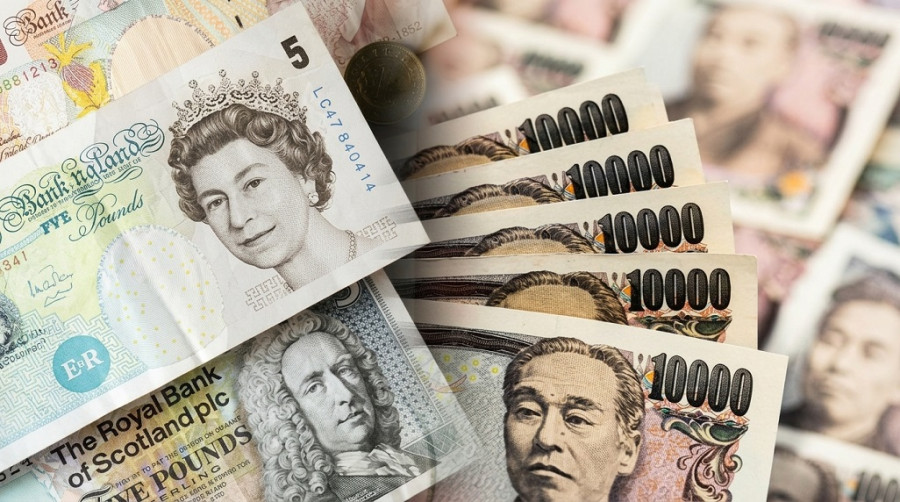
The GBP/JPY pair is attempting to extend Friday's momentum today amid the overall weakening of the Japanese currency. At the end of last week, buyers tested the 211.00 level but failed to hold their positions, with Friday's trading session ending at 210.12. Nevertheless, bullish sentiment is prevailing in the pair again today, although it is noticeably less pronounced.
The key driver for the pair was the Bank of Japan meeting, although the regulator's decision itself did not come as a surprise to the market: the interest rate was raised by 25 basis points (from 1.00% to 1.25%), i.e. to its highest level in the past 31 years. At first glance, such a decision should have supported the yen, especially against the pound, since the Bank of England kept all monetary policy parameters unchanged following its September meeting. Nevertheless, the Japanese currency came under pressure on Friday, including against the British pound.
First, the Bank of Japan's decision was not unanimous: two members of the Policy Board opposed monetary policy tightening. Toichiro Asada cited the fact that inflation remains below the 2% level and that the state of the economy "cannot be described as sufficiently strong." Meanwhile, Ayano Sato stated that a "hawkish" decision would be premature.
The fact that there are still members of the Policy Board who favor a more cautious approach put pressure on the yen, as the "opposition" could limit the pace of further rate hikes.
The second factor putting pressure on the yen was the Bank of Japan's accompanying rhetoric, which was less aggressive than many market participants had expected. On the one hand, the regulator stated that underlying inflation was approaching the target level and that the risks of it exceeding the target were increasing. On the other hand, the Bank emphasized "in a separate statement" that the timing and pace of further tightening "will depend on economic and price conditions." BoJ Governor Kazuo Ueda also stated that there is no predetermined schedule for rate hikes and that everything will depend on incoming data.
Finally, the statistical backdrop to the September decision also played an important role. Just a few hours before the second day of the meeting, the Bank of Japan received a relatively subdued inflation signal. According to the published data, headline CPI stood at 1.9% in August, while CPI excluding fresh food was 1.7% (down from 1.8% in July), and CPI excluding fresh food and energy was 1.9%.
The published figures weakened the yen even before the Japanese regulator announced the outcome of its September meeting. Weak August data reduced expectations of an aggressive tightening scenario and made the subsequent rate hike look more like a continuation of gradual, measured monetary policy normalization than the beginning of a sharp acceleration in the cycle.
As a result, the fundamental picture for the yen became negative. The rate hike itself had already been priced in by the market, but market participants received no signals indicating an intention to accelerate further monetary policy tightening. Traders focused on the two "dovish" votes and the lack of firm and transparent guidance regarding further rate hikes.
The Bank of England, meanwhile, failed to provide a new catalyst for sterling appreciation. The regulator kept the rate at 3.75%, while the voting split remained unchanged at 6:3 in favor of a pause. Despite the relatively hawkish rhetoric in the accompanying statement (the central bank acknowledged rising inflation risks, warned of a further increase in CPI, and noted that the economy was more resilient than expected), these signals had already been largely priced into current levels.
The market essentially received nothing beyond its existing expectations, so the hawkish rhetoric of the final communiqu? failed to provide significant support for sterling.
It is also worth noting that at its September meeting, the Bank of England approved a multi-year plan to reduce its bond holdings, while at the same time making the process more predictable and effectively ruling out the need to accelerate active sales. Therefore, the September meeting did not generate a new strong fundamental catalyst for either sterling buyers or sellers.
Ultimately, the fate of the pair was determined by the "yen component": the pair rose not because of a strengthening of the British currency, but because of yen weakness.
But can Friday's surge develop into a sustained uptrend? At present, the price action looks more like a short-term impulse than a full-fledged reversal.
At the beginning of September, GBP/JPY traded above the 216.00 level, after which the price fell sharply toward the 207.00 area. Friday's rise brought the pair only to the 210.40–211.30 area and has not yet changed the medium-term structure. Buyers need to at least consolidate above the 211.30 target (i.e. Friday's high). A decisive break above this level would open the way toward the 212.00 level and, further ahead, toward 213.50 (the lower boundary of the Kumo cloud on the D1 timeframe). Buyers' behavior in the 211.300–212.00 range will show whether the upward price dynamics will continue or whether traders will begin taking profit on long positions.
On the downside, the 208.50–207.80 price zone remains the key support. A return below this zone would indicate that Friday's surge was merely a temporary reaction to the Bank of Japan meeting.
At present, buyers retain the advantage in GBP/JPY, but it will only be possible to speak of the beginning of a new uptrend after a series of confirmed breaks above the aforementioned resistance levels.
ForexMart is authorized and regulated in various jurisdictions.
(Reg No.23071, IBC 2015) with a registered office at First Floor, SVG Teachers Co-operative Credit Union Limited Uptown Building, Corner of James and Middle Street, Kingstown, Saint Vincent and the Grenadines
Restricted Regions: the United States of America, North Korea, Sudan, Syria and some other regions.












 コンタクトする