Globální dodavatel barev PPG Industries (NYSE:PPG) v úterý nedosáhl očekávání Wall Street ohledně zisku za druhé čtvrtletí, což bylo způsobeno dopadem nedávných odprodejů podniků a slabší poptávkou na klíčových trzích.
V loňském roce společnost PPG (WA:IBSP) prodala svou divizi architektonických nátěrových hmot v USA a Kanadě společnosti American Industrial Partners za přibližně 550 milionů dolarů a divizi křemičitých produktů společnosti QEMETICA za 310 milionů dolarů.
Odprodeje a slabá poptávka na klíčových trzích, jako je Evropa, negativně ovlivnily čtvrtletní čistý obrat PPG, který dosáhl 4,19 miliardy dolarů, ve srovnání s 4,24 miliardy dolarů v předchozím roce.
Vyšší náklady na suroviny a energii a nejisté makroekonomické prostředí negativně ovlivnily poptávku po společnostech, jako je PPG, které dodávají své produkty na řadu koncových trhů, jako je automobilový průmysl, stavebnictví a výstavba.
Čisté tržby v globálním segmentu architektonických nátěrových hmot a segmentu průmyslových nátěrových hmot společnosti PPG poklesly během čtvrtletí o 5 % na 1,02 miliardy dolarů, respektive 1,67 miliardy dolarů.
Segment výkonných nátěrových hmot však zaznamenal 7% nárůst čistých tržeb, které dosáhly 1,51 miliardy dolarů, a to díky silné poptávce v oblasti leteckých, ochranných a námořních nátěrových hmot.
Preliminary September PMI data from S&P Global showed further momentum loss. The composite index fell to 51.7 from 52.5 in August; services declined to 51.7 from 52.5, while manufacturing output has so far held steady.
Against that backdrop, the GfK consumer-confidence data look overly optimistic. The index rose one point to -13 in September — the highest since August 2024 — whereas consensus had expected a drop to -16. For the first time since summer 2024, the overall index recorded three consecutive monthly increases.
Through speeches by its representatives, the Bank of England continues to emphasize the core task: monetary policy cannot affect global energy prices, but it must ensure the economy adapts in a way that sustainably returns inflation to the 2% target.
That stance implies balancing two costs: the cost of insufficiently countering inflationary pressure and the cost to economic activity from excessive tightening. In the context of the September meeting, the Committee apparently judged the balance still leans toward waiting.
The conflict in the Persian Gulf continues to dominate the inflation outlook. As of September 22, UK gas NBP traded near 183 pence per therm, holding around multi-week lows amid hints from Tehran about possibly reopening the Strait of Hormuz; however, in recent days prices have begun to rise again as the likelihood of the strait's opening has fallen.
The UK's structural vulnerability remains critical. The country is heavily dependent on seaborne LNG supplies, which at current price levels and with persistent transit-route risks constitutes the main threat to the British economy over the winter.
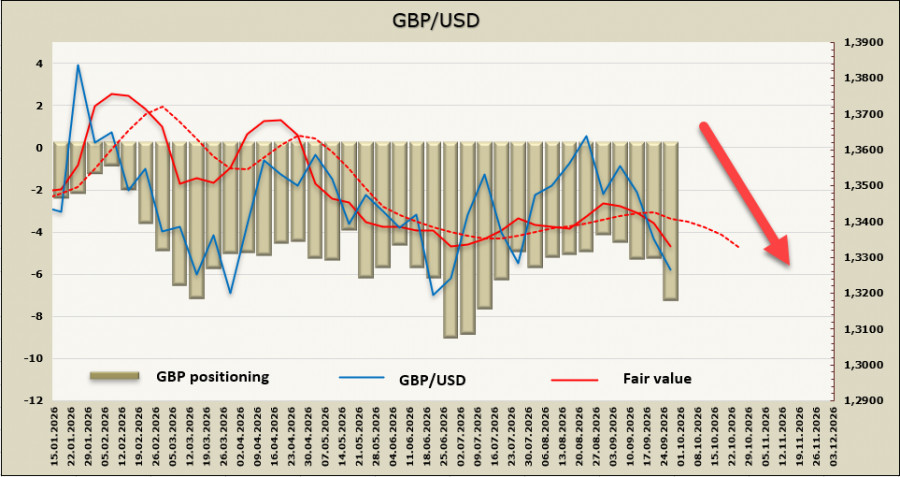
The net short position on GBP increased over the reporting week by £1.97 billion to -£6.9 billion, and implied prices continue to move decisively lower.
In the previous review, we saw an increased probability of a move down to support at 1.3272; the pound quickly passed that level. After consolidation, we expect further decline, targeting a test of the 1.3139 level. In the long run, the GBP/USD trend remains bullish, but in the short term there are practically no signals to buy.

QUICK LINKS
ForexMart is authorized and regulated in various jurisdictions.
(Reg No.23071, IBC 2015) with a registered office at First Floor, SVG Teachers Co-operative Credit Union Limited Uptown Building, Corner of James and Middle Street, Kingstown, Saint Vincent and the Grenadines
Restricted Regions: the United States of America, North Korea, Sudan, Syria and some other regions.









 Contact Us